Understanding Animal Neglect Laws and Bail Procedures in California
Learn about California Penal Code 597.1, animal neglect cases, and how Bail House Bail Bonds can assist families dealing with arrests in Auburn.
6 min read
Bail House : Published Updated
An arrest for alleged animal fighting is one of the more serious animal-related criminal situations a person can face in California. Many people hear terms like animal abuse, animal neglect, dogfighting, or promoting animal fighting and assume they all mean the same thing. Under California law, though, these ideas can overlap while still referring to different offenses. That distinction matters because it can affect whether a person is facing a misdemeanor or a felony, what the possible penalties may be, and how the bail amount might be handled after booking.
For families in Tahoe City, the first concern after an arrest is often not the long-term legal theory. It is the immediate issue of release. They want to know where their loved one is being held, what the bail amount is, and how to find a dependable bail bondsman or bail agent after searching for bail bonds near me. In those moments, understanding the basics of PC 597.5 can help reduce confusion and allow families to take practical next steps while the criminal case moves forward.
California Penal Code 597.5 is the state law that addresses dogfighting. It makes it illegal to own, possess, keep, or train a dog with the intent that the dog engage in a fight with another dog. It also makes it illegal to cause a dog to fight another dog for amusement or gain, or to allow that conduct to happen on property under a person’s control. Helping, supporting, or facilitating this conduct can also create criminal exposure.
That is why this is not treated like a minor pet-related issue. California law views dogfighting as a serious form of organized cruelty. When people talk about promoting animal fighting, they are often referring to the same type of conduct covered by this statute, including organizing, encouraging, hosting, or knowingly allowing fights to happen.
Under PC 597.5, the law covers more than just the person who physically puts two dogs into a fight. A person may face a felony allegation for:
This means the law can apply to several roles in the same incident. Someone accused of organizing, hosting, or helping with the event can face serious consequences even if they were not the direct handler of the animal during the fight itself.
Yes. California law also makes it illegal to knowingly be present as a spectator at a dogfight or even at preparations for one, if the person intends to be there for that purpose. While that conduct is generally punished less severely than direct participation, it can still result in criminal charges.
That matters because not everyone arrested in connection with an animal fighting investigation is necessarily accused of doing the same thing. Some may be facing direct dogfighting allegations, while others may be accused of attending or supporting the event. This is one reason families often ask whether the case is a misdemeanor or felony right away.
Dogfighting often overlaps with broader concerns about animal abuse. In many cases, investigators may also believe the animals were injured, mistreated, deprived of proper shelter, denied necessary food or water, or otherwise subjected to cruel treatment. That is why these investigations sometimes involve not just dogfighting charges, but also additional accusations involving cruelty or neglect.
This is where the terms animal abuse and animal neglect often come into the conversation. They are not always the exact same offense as dogfighting, but they can arise from the same facts. If animals are found wounded, malnourished, or kept in poor conditions, the case may involve multiple allegations. In other words, a dogfighting arrest may become broader than one single statute.
This is one of the first questions families ask after an arrest. In general, the core conduct under PC 597.5 involving owning, training, fighting, or allowing dogs to fight is treated as a felony. By contrast, being a spectator is generally handled at the misdemeanor level.
That means the answer depends heavily on the person’s alleged role in the situation. Someone accused of directly participating in or promoting animal fighting is likely facing a more serious case than someone accused only of being present. This distinction can significantly affect possible punishment, future consequences, and the likely bail amount.
Yes, but they are limited. California law makes clear that the dogfighting statute does not prohibit lawful uses of dogs in livestock management, lawful hunting activities, or lawful dog training for purposes that are not otherwise illegal. These exceptions exist so the law does not improperly sweep in legitimate working or sporting uses of dogs.
Still, those exceptions are narrow. They do not protect abusive conduct or provide a general excuse for harmful treatment of animals. The focus of the statute remains on intentional dogfighting and related activity.
After an arrest involving allegations of animal fighting, one of the biggest immediate concerns is release from custody. The exact bail amount can vary depending on the county, the number of charges, whether there are related accusations such as cruelty or neglect, and the person’s criminal history.
If the full bail amount is too high to post directly with the court, a bail bond may help secure release while the case is pending. That is where a bail bondsman or bail agent becomes especially important. Instead of requiring the family to pay the full amount up front, a bond can make release more realistic and more accessible.
For many people in Tahoe City, this is why the first search after booking is not for a detailed legal analysis. It is a search for bailbond, bail bond, or bail bonds near me. Families want to bring their loved one home, understand what happens next, and stabilize the situation.
Cases involving dogfighting or promoting animal fights can move quickly and create strong emotional reactions. Families may be trying to figure out whether the person is accused of organizing the fight, participating in it, or simply being present. They may also be trying to understand whether the case involves separate accusations of animal abuse or animal neglect.
At the same time, these cases often carry social stigma. Even before the case is resolved, people may feel embarrassed, panicked, or unsure how to explain the situation. That is why clear and calm communication matters so much. A good bail agent can help explain the release process in plain language and make those first hours feel less chaotic.
1. What does Penal Code 597.5 prohibit?
It prohibits owning, keeping, training, or using dogs for fighting, as well as allowing or helping dogfighting activity happen.
2. Is dogfighting under PC 597.5 a misdemeanor or a felony?
Direct participation in dogfighting is generally treated as a felony, while spectatorship is generally treated as a misdemeanor.
3. Can someone be charged even if they did not physically handle the dog during the fight?
Yes. A person may still face charges if they organized, promoted, hosted, allowed, or helped with the activity.
4. Is it illegal just to watch a dogfight?
Yes. Knowingly being present as a spectator at a dogfight or at preparations for one can still lead to criminal charges.
5. How is dogfighting connected to animal abuse or animal neglect?
Dogfighting investigations often involve claims that animals were injured, neglected, or kept in cruel conditions, which can lead to additional allegations.
6. Are there lawful uses of dogs that do not violate this law?
Yes. Certain lawful uses of dogs in livestock management, hunting, and legal training activities are not automatically prohibited.
7. Why would someone need a bail bond after this kind of arrest?
Because the bail amount may be more than the family can pay directly, and a bail bond can help secure release while the case is pending.
When someone is facing an arrest, the company they choose matters. Bail House Bail Bonds stands out because people in crisis need more than a basic financial service. They need urgency, professionalism, and clear communication.
For families in Tahoe City searching bail bonds near me, the need is usually immediate. They want to know the bail amount, what the cosigner will need, how quickly the bond can be posted, and what steps come next. A dependable bail bondsman or bail agent helps reduce confusion by walking families through the process with patience and respect.
Bail House Bail Bonds stands out from other agencies because it understands that every call may be coming from a worried spouse, parent, child, or friend trying to help someone quickly. In stressful moments, responsiveness matters. Clear answers matter. Compassion matters. That level of service is what helps Bail House Bail Bonds separate itself from agencies that treat clients like just another file.
PC 597.5 is a serious California law that targets dogfighting and related conduct. Owning, training, using, or promoting dogs for fighting can lead to serious felony consequences, while spectatorship can still create misdemeanor exposure. In many situations, the same facts may also lead to accusations involving animal abuse or animal neglect, making the case even more complicated.
If you or a loved one is dealing with an arrest involving alleged animal fighting in Tahoe City, one of the first practical steps is understanding the bail amount and contacting a trusted bail bondsman or bail agent. In a stressful situation, working with an experienced company like Bail House Bail Bonds can help turn confusion into action.

Learn about California Penal Code 597.1, animal neglect cases, and how Bail House Bail Bonds can assist families dealing with arrests in Auburn.

Learn about California's stalking laws, potential penalties, and how Bail House Bail Bonds can assist with bail in Tahoe City after an arrest.
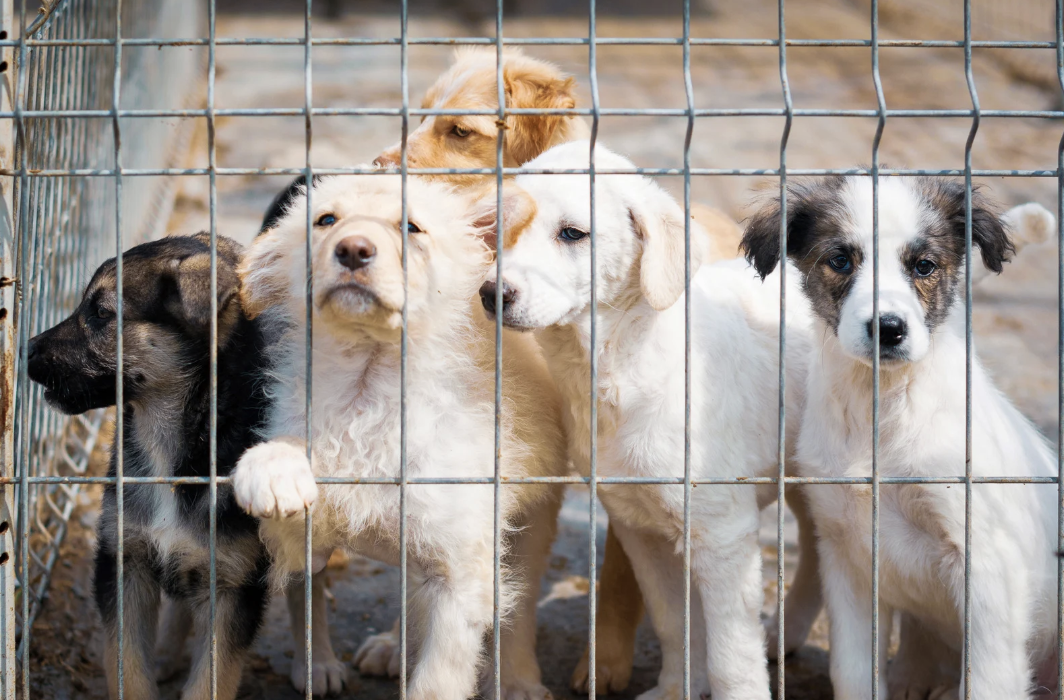
Learn about California Penal Code 597(b) on animal abuse, its legal implications, and how Bail House Bail Bonds can assist with bail in Placer County.