
Understanding California Penal Code 243(d): In Roseville, California
Get fast help after an arrest for Penal Code 243(d) in Roseville, California. Learn the charges, bail process, and what makes Bail House Bail Bonds...
5 min read
An arrest for California Penal Code 243(c) is a serious moment for any family—especially when the alleged victim is a Police Officer, Peace Officer, Firefighter, or other First responder. In Auburn California and across Placer County, these cases often move quickly because courts treat batteries on law enforcement and emergency personnel as high-priority public safety matters.
This blog explains what PC 243(c) means, what makes it a potential felony, what penalties may apply, what to expect after an arrest connected to Placer County Sheriff operations, and how a Bail Bondsman and Bailbond (including Bail House Bail Bonds) may help when bail is available.
Note: This is general information—not legal advice. Anyone facing charges should speak with a qualified California criminal defense attorney right away.
Penal Code 243 is California’s battery statute, and it includes enhanced penalties when the alleged victim is a protected professional (like a Peace Officer or Firefighter) and/or when an injury occurs. The law covers:
PC 243(b): battery against protected professionals (including peace officers, firefighters, EMTs, etc.) while they’re performing duties (on or off duty), when the defendant knows (or reasonably should know) who they are—punishable up to 1 year in county jail and/or a fine up to $2,000. Legislative Information
PC 243(c): battery against certain protected professionals where an injury is inflicted—this is the section that can become a wobbler (misdemeanor or felony depending on how it’s charged). Legislative Information
For PC 243, the statute defines “injury” as any physical injury which requires professional medical treatment. Legislative Information
That definition matters because many PC 243(c) cases hinge on whether the injury required professional medical attention.
When people say “PC 243(c) felony,” they’re usually talking about one of these:
PC 243(c)(1) applies when a battery is committed against certain protected professionals (such as a Firefighter, EMT, custodial officer, and others listed in the statute) while they’re performing duties, the defendant knows (or reasonably should know) who they are, and an injury is inflicted. Legislative Information
Penalty structure: The statute allows the case to be punished as:
up to 1 year in county jail and/or fine up to $2,000, or
felony sentencing under Penal Code 1170(h) for 16 months, 2 years, or 3 years. Legislative Information
PC 243(c)(2) is the enhanced version when the same kind of battery-with-injury is committed against a Peace Officer(often what people mean by Police Officer) engaged in duties, and the defendant knew or reasonably should have known the victim was a peace officer. Legislative Information
Penalty structure: PC 243(c)(2) allows punishment by:
a fine up to $10,000, and
county jail (up to 1 year) or felony sentencing under Penal Code 1170(h) for 16 months, 2 years, or 3 years, or both fine and imprisonment. Legislative Information
Bottom line: PC 243(c) becomes “felony-level” when the prosecution files it as a felony wobbler case—typically because they believe the injury and circumstances justify the harsher range.
Every case is fact-specific, but PC 243(c) cases usually focus on these issues:
A battery occurred
Battery in California generally means willful and unlawful use of force or violence upon another person (often interpreted broadly as unlawful touching). PC 243 sets the punishments and special categories. Legislative Information
The alleged victim is in a protected class
This includes categories like Firefighter and Peace Officer, among others listed in the statute. Legislative Information
The person was engaged in the performance of duties
PC 243(b) and 243(c) are tied to the victim being engaged in duties (including some scenarios “on or off duty,” as the statute describes). Legislative Information
Knowledge
The prosecution must show the defendant knew or reasonably should have known the victim was a protected professional (like a Police Officer / Peace Officer or Firefighter). Legislative Information
Injury requiring professional medical treatment
For PC 243(c), an injury must be inflicted, and “injury” is defined as requiring professional medical treatment. Legislative Information
From the court’s perspective, batteries against law enforcement or first responders raise immediate concerns about:
public safety,
interference with emergency response,
risk of escalation,
and whether release should come with strict conditions.
That’s why after an arrest, bail (if available) may be higher than a typical battery case—and release conditions can include no-contact orders, stay-away orders, and strict compliance requirements.
If someone is arrested for PC 243(c) in Auburn California, families usually want answers fast: Where are they held? How do we find them? When can they get out?
Placer County provides official custody information through its Corrections page, including a link to the county’s Who’s In Custody system. Placer County
For Auburn-area arrests, custody may involve the Auburn Jail, which Placer County lists at:
2775 Richardson Drive, Auburn, CA 95603
Phone: 530-745-8500 Placer County
This is why “local” matters: knowing where to look and who to call reduces delays and confusion when the situation is moving quickly.
If bail is set, families typically have two common options:
This usually means paying the entire bail amount to the court (or through the court’s approved process). If the defendant appears at all required court dates, bail may be eligible for return later—subject to court timelines, fees, and rules.
A Bailbond is often used when bail is too high to pay in full. A Bail Bondsman posts a surety bond that guarantees the bail to the court, and the family pays a premium rather than the full bail amount upfront.
In PC 243(c) cases—especially those involving a Police Officer, Peace Officer, or Firefighter—families often choose this option because it can help secure release faster while keeping finances manageable.
If someone is released after a PC 243(c) arrest, courts may impose conditions such as:
no-contact orders (especially if there are witnesses involved),
stay-away orders from specific locations,
restrictions relating to alcohol or other triggers (depending on the case),
and strict compliance with all court dates.
Violating release conditions can lead to re-arrest and more serious consequences. In felony-filed cases, courts are often less forgiving about violations.
PC 243(c) is the battery statute section that increases penalties when a battery against certain protected professionals results in an injury—with “injury” defined as requiring professional medical treatment. Legislative Information
PC 243(c)(1) and 243(c)(2) can be punished with felony sentencing under Penal Code 1170(h) for 16 months, 2 years, or 3 years when filed and sentenced as a felony. Legislative Information
Yes. The statute specifically lists protected categories that include a Firefighter (and other first responders), and it increases penalties when an injury is inflicted and the defendant knew or reasonably should have known the victim’s role. Legislative Information
When the battery-with-injury is committed against a Peace Officer, PC 243(c)(2) allows a higher fine—up to $10,000—and includes the same felony sentencing range under 1170(h). Legislative Information
For Auburn-area arrests, Placer County lists the Auburn Jail at 2775 Richardson Drive, Auburn, CA 95603 (phone 530-745-8500). Placer County
When a loved one is arrested for a felony-filed offense like PC 243(c), families don’t just need “bail.” They need clarity, speed, and discretion—because the situation is stressful, time-sensitive, and often confusing.
Here’s what sets Bail House Bail Bonds apart compared to many other agencies in the area:
Clear guidance from start to finish: Families get a simple explanation of the Bailbond process, what paperwork is needed, and what to expect next.
Fast response when it matters most: Arrests don’t happen on a schedule, and quick action can make a real difference.
Local familiarity with Placer County logistics: Knowing how to navigate Placer County Jail procedures and the overall custody process helps reduce delays.
Professionalism and confidentiality: Cases involving law enforcement victims can be high-profile and sensitive—discretion matters.
A calm, steady approach: When families are panicked, a reliable Bail Bondsman helps keep the next steps clear and manageable.
If you need help after an arrest in Auburn California, Bail House Bail Bonds is prepared to help your family move forward with urgency and respect.

Get fast help after an arrest for Penal Code 243(d) in Roseville, California. Learn the charges, bail process, and what makes Bail House Bail Bonds...
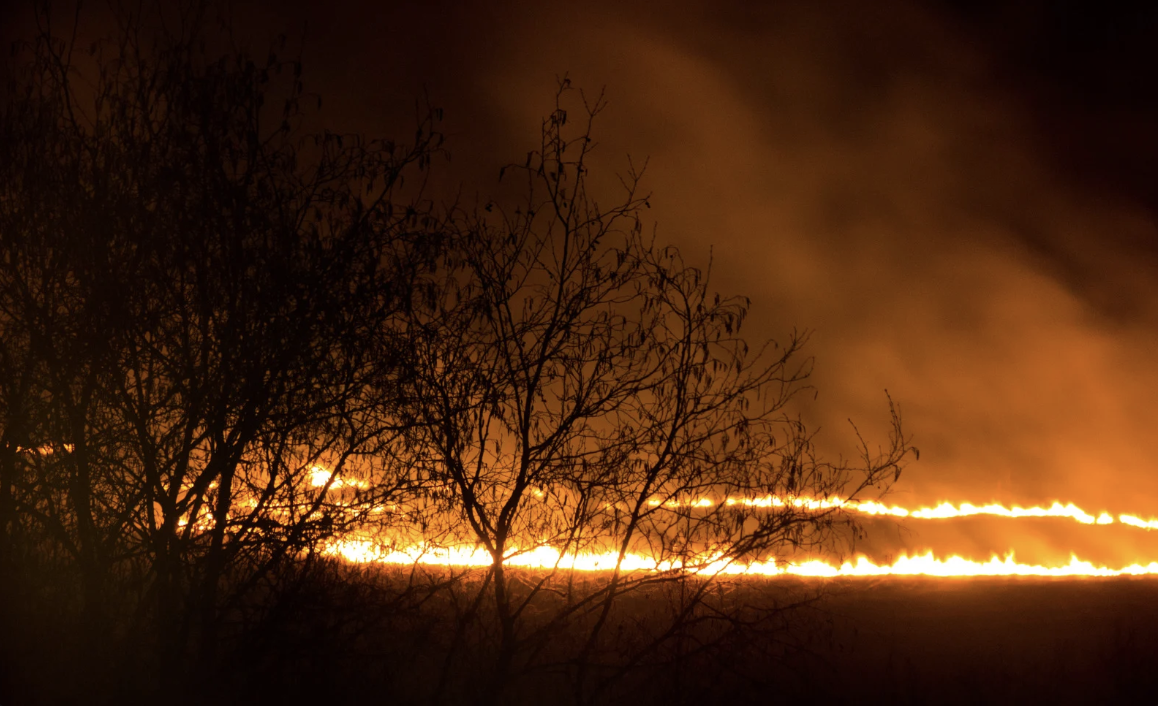
Learn about California Penal Code 451(b), arson of an inhabited structure, its legal implications, penalties, and how Bail House Bail Bonds can...

Learn about California Penal Code 10980 felony welfare fraud, its consequences, and how Bail House Bail Bonds can assist you through the legal...