Understanding California Stalking Laws and How Bail Bonds Work
Learn about California's stalking laws, potential penalties, and how Bail House Bail Bonds can assist with bail in Tahoe City after an arrest.
6 min read
Bail House : Published Updated
California treats elder abuse as a very serious offense, especially when the allegations involve physical harm or conditions likely to cause major injury. Under California Penal Code 368(b)(1), a person can face a felony charge for willfully causing or permitting an elder or dependent adult to suffer unjustifiable physical pain or mental suffering, or for causing injury under circumstances likely to produce great bodily harm or death. California’s official code section defines these protections and applies them to elders and dependent adults because they are considered especially vulnerable under the law.
In practical terms, this means an allegation of physical mistreatment, violent handling, or serious neglect with dangerous consequences can quickly lead to an arrest. These cases are often emotionally intense because they involve family members, caregivers, or trusted individuals. In places like Tahoe City, families dealing with an arrest for abuse or elder abuse often need immediate help understanding the legal process, including how a bail bond works and what the likely bail bond amount may be. Placer County’s published felony bail schedule lists PC 368(b)(1) physical abuse – elder adult at $50,000, though actual bail decisions can vary by court and circumstances.
When someone is taken into custody, families often begin searching online for bail bonds near me so they can speak with a trusted bail agent or bail bondsman. That is where Bail House Bail Bonds can become an important source of support. This blog explains what PC 368(b)(1) covers, the difference between misdemeanor and felony elder abuse treatment under California law, and how the Bailbond process may help after an arrest.
California Penal Code 368 is the main criminal statute covering abuse of elders and dependent adults. Under subsection 368(b)(1), the law addresses conduct involving willful abuse, unjustifiable physical pain or mental suffering, or injury under conditions likely to produce great bodily harm or death. The statute also defines an elder as a person 65 years of age or older.
This matters because the law goes beyond obvious physical assault. A case may involve:
California courts and court-reference materials emphasize that elder abuse laws exist because crimes against elders deserve special protection and added criminal consequences.
The Legislature’s findings in Penal Code 368 reflect a policy choice to protect elders and dependent adults because they may be less able to defend themselves, report abuse, or recover from physical harm. Official California materials repeatedly frame these victims as vulnerable populations needing stronger legal protection.
That is why an allegation of elder abuse can trigger:
California court forms also show that elder-abuse-related criminal protective orders may carry firearm surrender obligations in qualifying cases.
Your requested topic is specifically 368(b)(1) Felony Physical Abuse – Elder Abuse, and that is important because California distinguishes between felony elder abuse and less severe misdemeanor elder abuse treatment.
Court and legislative materials explain that PC 368(b) applies to conduct under circumstances likely to produce great bodily harm or death and can result in a felony conviction, while less severe conduct under different circumstances may be prosecuted under other portions of the statute as a misdemeanor.
So the difference often comes down to:
That means the same broad subject of abuse can be charged very differently depending on the evidence.
A felony arrest under PC 368(b)(1) may arise from many kinds of alleged conduct, including:
A case does not need to involve a stranger. In many elder abuse investigations, the accused person is someone known to the alleged victim, such as a relative, household member, or caregiver. Because of that, these cases are often emotionally complicated from the beginning.
After an arrest, the accused person is usually booked into jail. Booking commonly includes:
Published bail schedules show that bail for elder abuse charges can be substantial. As noted above, Placer County’s 2025 felony bail schedule lists 368(b)(1) at $50,000, with higher amounts for elder abuse involving great bodily injury or death. Other California county schedules show similar treatment, though the exact listed amount varies by county.
For a family in or around Tahoe City, that can create immediate pressure. A full cash bail payment may be unrealistic, which is why many people begin looking for bail bonds near me right away.
A bail bond helps a defendant seek release without paying the full bail amount directly to the court. Instead, a licensed bail bondsman or bail agent posts the bond on the defendant’s behalf.
The general process looks like this:
For example, if the listed bail bond amount is $50,000, the family may work with a bond company rather than trying to produce the full amount in cash all at once.
A felony elder abuse case can move fast. Once a person is in custody, the consequences are immediate. They may miss:
A quick release through a bail bond can help stabilize the situation while the case moves through court. That does not resolve the charge, but it can make a major difference in the defendant’s ability to work with counsel and manage daily life.
Because 368(b)(1) is a felony provision, a conviction can bring serious penalties. The exact sentence depends on the facts of the case, injury level, criminal history, and whether enhancements apply. Court materials and bail schedules also show that elder abuse charges become even more serious when they involve great bodily injury or death.
In addition to incarceration, an elder abuse case may involve:
That is why families usually treat these arrests as emergencies from the very beginning.
After an arrest, most families are not thinking in legal terms. They are trying to answer basic questions:
That is exactly why searches like bail bonds near me happen so often. Families want immediate answers from someone who understands the local process.
If the arrest is tied to Tahoe City or surrounding areas, working with a company that knows the region and the surrounding court and jail procedures can be especially helpful.
PC 368(b)(1) is the California felony elder abuse provision addressing willful conduct that causes unjustifiable physical pain or mental suffering, or injury under circumstances likely to produce great bodily harm or death.
For this statute, an elder is a person 65 years of age or older.
No. California law recognizes both misdemeanor and felony elder abuse treatment depending on the circumstances, but 368(b)(1) is the felony form tied to more dangerous conduct.
Bail can vary by county and by judge, but Placer County’s 2025 felony bail schedule lists PC 368(b)(1) at $50,000.
After an arrest, the accused person is usually booked into jail, the charge is recorded, and bail is set or confirmed.
A bail bond allows a defendant to seek release through a licensed bail bondsman or bail agent rather than paying the full bail directly to the court.
If a loved one is arrested in connection with a Tahoe City case, contacting Bail House Bail Bonds can help you understand the Bailbond process and start working toward release quickly.
When someone is arrested for alleged elder abuse, the situation is stressful, emotional, and urgent. Families do not want vague information. They want quick answers and dependable help.
Bail House Bail Bonds stands out compared to other agencies for several reasons.
Timing matters. Once a person is booked, families want the release process started as quickly as possible. Bail House Bail Bonds understands the urgency that follows an arrest.
A good bail agent does more than quote a number. They explain the bail bond, what the bail bond amount means, and what steps come next.
An allegation involving abuse or elder abuse can be emotionally intense for everyone involved. Bail House Bail Bonds provides steady, respectful guidance when families need it most.
For families dealing with a case connected to Tahoe City, local knowledge matters. Familiarity with nearby courts, jails, and procedures can make the process smoother.
Cases involving accusations of felony abuse are sensitive. Bail House Bail Bonds handles clients with professionalism and confidentiality.
For people searching online for bail bonds near me, those qualities can make a real difference.
Facing a 368(b)(1) felony charge for physical elder abuse is serious from the moment of arrest. California law gives these cases special weight because older adults are considered especially vulnerable, and county bail schedules reflect that seriousness with substantial listed bail amounts.
For families dealing with a case in Tahoe City or nearby, a knowledgeable bail bondsman can make the next steps much clearer. Bail House Bail Bonds can help explain the process, respond quickly, and provide support when it is needed most.
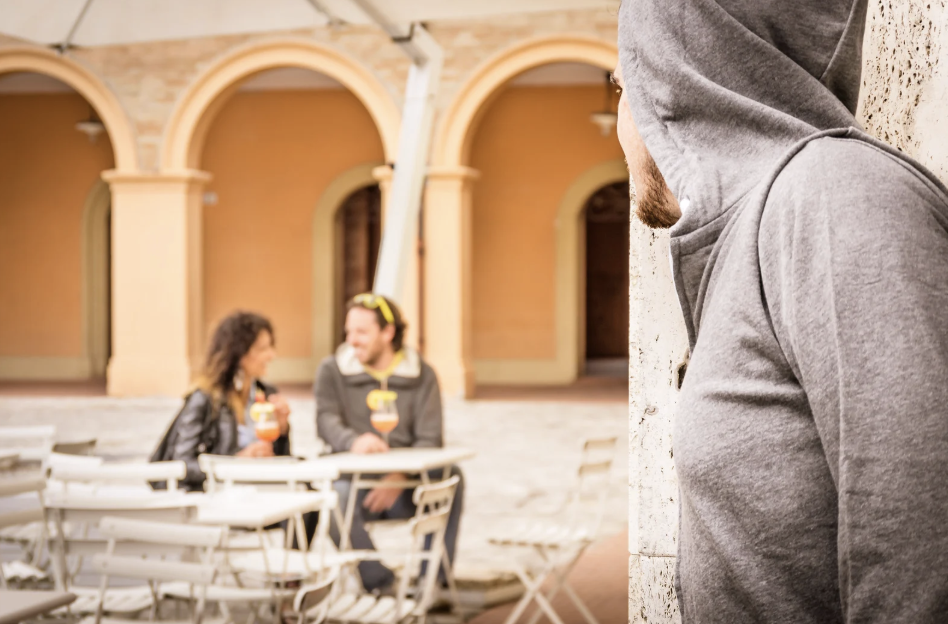
Learn about California's stalking laws, potential penalties, and how Bail House Bail Bonds can assist with bail in Tahoe City after an arrest.
Understanding California Welfare Fraud under 10980: Explore charges, bail options, and how Bail House Bail Bonds can help families in crisis.

Understanding California's PC 597.5 law on dogfighting, its implications, and how to navigate bail processes can help families during stressful times.