
1 min read
CA PC 4573: Smuggling Controlled Substances into Facilities
When someone is already dealing with a stressful arrest, the last thing they need is an additional felony charge — especially one that can come from...
6 min read
A Drug arrest can turn life upside down in a single night—especially when the allegation isn’t just possession, but “possession for sale.” If you or someone you care about has been arrested for California “PC 11351” in Placer County, it’s important to know that 11351 is actually a Health & Safety Code section (HSC 11351)—but it’s commonly referred to as a Penal Code charge in everyday conversation. The accusation is still extremely serious: HSC 11351 makes it a felony to possess certain controlled substances for sale.
Whether the arrest happened in Colfax California, Auburn, Roseville, or anywhere else in Placer County, families often have the same urgent questions: What does “possession for sale” really mean? What are the penalties? Is bail possible? What happens next?
This blog breaks down HSC 11351, what prosecutors must prove, how law enforcement tries to argue “intent to sell,” what typically happens after an arrest involving the Placer County Sheriff, and how a Bail Bondsman and Bailbond(including Bail House Bail Bonds) can help when bail is available.
This is general information, not legal advice. If you’re facing charges, consult a qualified California criminal defense attorney immediately.
Health & Safety Code 11351 makes it a felony to possess for sale (or purchase for purposes of sale) certain controlled substances.
In plain language, HSC 11351 is about intent. The prosecution isn’t just claiming “drugs were present.” They’re claiming the person had the controlled substance with the intent to sell it (or bought it intending to sell it).
That’s why people sometimes phrase it as “Drugs Possession of drugs to sale”—a blunt way of describing the allegation that the drugs were meant for distribution rather than personal use.
Families are often shocked by how quickly police label a case “for sale.” Here’s the key difference:
Simple possession is typically about having a controlled substance for personal use.
Possession for sale (HSC 11351) is about possession plus intent to sell.
That “intent” element changes everything:
Bail may be higher.
The case is more likely to be filed as a felony from the start.
The prosecution may push for stricter conditions and heavier consequences.
If someone is arrested in Colfax California with an amount or situation that law enforcement believes indicates sales activity, the case can escalate quickly—even if the person insists it was for personal use.
To convict someone of possession for sale, prosecutors typically must prove elements like:
The defendant possessed a controlled substance
The defendant knew of its presence
The defendant knew it was a controlled substance
The defendant possessed it with the intent to sell (or intended that someone else sell it)
In most cases, the first three are easier for prosecutors to argue than the last one. Intent to sell is where the fight often happens.
Because intent is rarely something a person openly admits, HSC 11351 cases often rely on circumstantial evidence. Police and prosecutors may point to things like:
A larger amount can be argued as inconsistent with personal use—though quantity alone doesn’t automatically prove sales intent.
Multiple baggies, individual bindles, or separated doses can be used to argue intent to distribute.
A scale (or even residue on a scale) is commonly cited as “sales evidence.”
Large amounts of cash, especially small bills, can be framed as proceeds from sales.
Texts, DMs, call logs, and social media messages may be interpreted as arranging sales or meeting buyers.
Any ledger-style notes can be portrayed as tracking transactions.
What someone says during a stop, a search, or an interview can become a major part of the case.
Important: None of these automatically proves guilt on its own. But prosecutors often argue that the total picturesupports intent to sell.
HSC 11351 is generally punishable as a felony with custody exposure commonly described as 2, 3, or 4 years (depending on how it is filed and sentenced), along with other possible consequences like formal probation, fines, and strict conditions.
A felony conviction can also create long-term issues such as:
employment barriers
housing denials
licensing problems
immigration consequences for non-citizens
probation search terms and restrictions
Even if a person is ultimately fighting the charge, the early steps after arrest can feel overwhelming—especially for families trying to help from the outside.
If an Arrest for HSC 11351 happens in Placer County—whether in Colfax California, Auburn, Roseville, Granite Bay, or anywhere else—the early process often follows a similar pattern:
After booking, a person may be held in a county facility depending on where the arrest occurred and classification decisions. Families often scramble to figure out:
Where the person is being held
Whether bail has been set
Whether there are holds or special conditions
Because this is a felony-level charge, it’s common for families to want immediate help understanding the custody timeline and options.
Bail decisions can depend on factors like:
criminal history
probation or parole status
the type/amount of controlled substance alleged
whether there are allegations of ongoing sales activity
whether weapons were involved (if alleged)
court concerns about safety and failure-to-appear risk
Even when bail is set, the court may impose conditions such as:
stay-away or no-contact orders (if the case involves others)
drug testing or treatment requirements (case-specific)
travel restrictions
compliance check-ins
Arraignment is typically the first major court appearance. Charges are read, bail/release terms may be reviewed, and the defense may begin working immediately to challenge the evidence—especially the “intent to sell” element.
If bail is set after a felony Drug arrest, families usually have two main options:
This means paying the full bail amount to the court (or using an approved court process). If the defendant appears as required, bail is typically eligible to be returned later—subject to court rules and administrative timelines.
A Bailbond helps families secure release without paying the entire bail amount upfront. A Bail Bondsman posts a surety bond that guarantees the bail to the court, and the family pays a premium rather than paying full bail.
For many families in Colfax California and across Placer County, this is the most realistic option when bail is set high—because it allows the person to get out and start working on their defense while keeping finances more stable.
Do:
Confirm custody status and facility details as soon as possible.
Contact a criminal defense attorney quickly—early strategy matters.
Take release conditions seriously and follow them perfectly.
Don’t:
Talk about case facts on recorded jail lines.
Text or message about the incident like it’s private—those messages can become evidence.
People commonly say it that way, but 11351 is a Health & Safety Code section (HSC 11351) that covers possession or purchase of certain controlled substances for sale.
Simple possession generally involves drugs for personal use. Possession for sale involves drugs plus alleged intent to sell, which is why it’s charged more aggressively.
Common factors include quantity, packaging, scales, cash, messages, and surrounding circumstances. The case often hinges on what the evidence actually shows.
Often, yes—bail may be set depending on the facts and the person’s history. Release may also come with strict conditions.
Full bail means paying the entire amount to the court. A Bailbond through a Bail Bondsman can secure release without paying the full bail upfront, because the bond company guarantees the bail to the court.
When a loved one is arrested for HSC 11351—especially for possession of drugs to sale—families are usually dealing with two pressures at once: emotional shock and urgent logistics. They don’t just need bail—they need clarity, speed, and support.
Here’s what families in Placer County (including Colfax California) often value, and what Bail House Bail Bondsfocuses on providing compared to other agencies:
Fast response when time matters: Arrests happen at all hours. You need real help when the crisis is actually happening.
Clear, simple explanations: The Bailbond process can feel confusing. Bail House Bail Bonds explains it in plain English so you’re not guessing.
Local familiarity with Placer County procedures: Knowing the area and the typical custody flow can reduce delays and stress.
Professional discretion: Drug cases can be sensitive. Your situation should be treated confidentially and respectfully.
Step-by-step guidance: From what paperwork is needed to what to expect next, you get a steady plan—rather than chaos.
If you need a Bailbond after a Drug arrest in Colfax California or anywhere in Placer County, Bail House Bail Bondsis ready to help you take the next step quickly and clearly.
1 min read
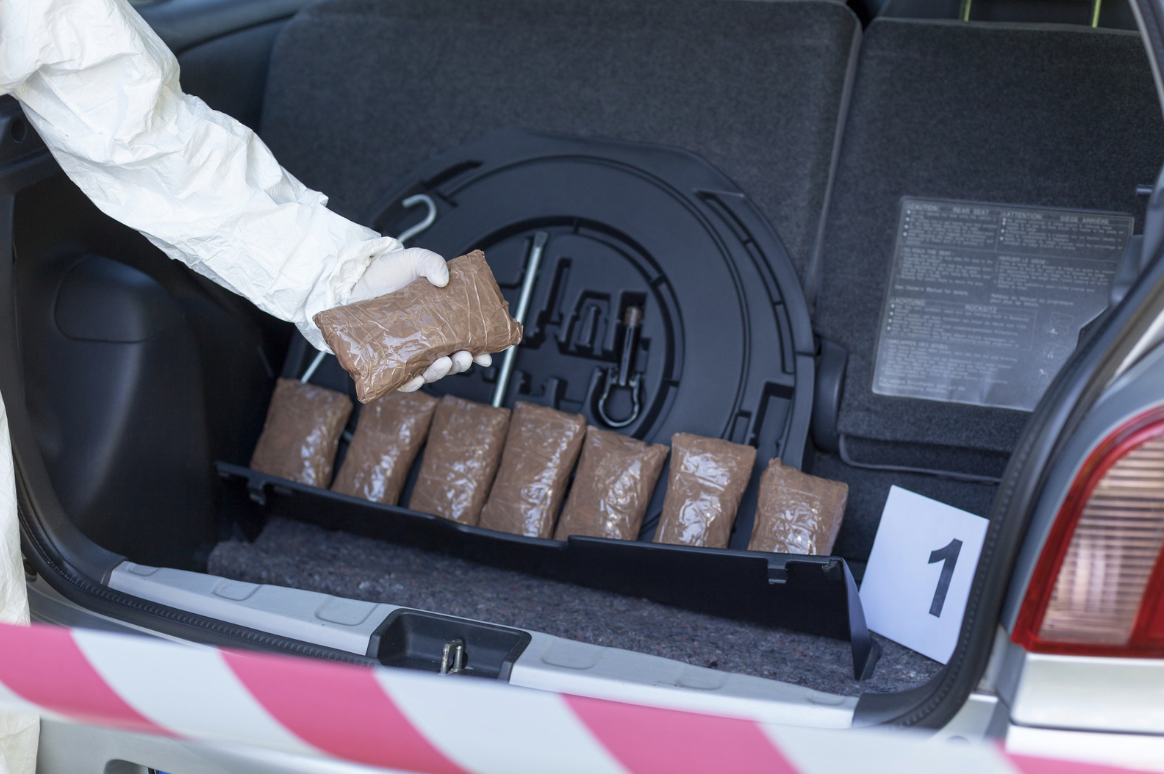
When someone is already dealing with a stressful arrest, the last thing they need is an additional felony charge — especially one that can come from...
1 min read
Getting accused of an illegal Cannabis grow isn’t like getting pulled over with a small amount in your pocket—cultivation cases can escalate fast,...

1 min read
.png?width=30&name=Bail%20House%20Favicon%20(1).png) The Bail House : Aug 25, 2025, 7:43:01 AM
The Bail House : Aug 25, 2025, 7:43:01 AM
For many people, driving feels like a routine part of daily life — commuting to work, taking kids to school, or running errands around town. But...