Understanding 455 Felony Attempted Arson and Bail Bonds in Auburn, CA
Learn about 455 Felony Attempted Arson charges, bail processes, and how Bail House Bail Bonds can assist you in Auburn, California.
Arson is one of the most serious fire-related offenses in California because it creates an immediate risk not only to property, but also to human life, emergency responders, neighboring buildings, and the surrounding community. Under California Penal Code 451(c), it is a felony to willfully and maliciously set fire to or burn a structure or forest land. This offense goes far beyond ordinary property damage. A single intentional fire can lead to massive financial loss, environmental destruction, long-term displacement of families, and even severe bodily injury or death. That is one of the reasons California law treats arson differently from many other crimes involving damaged property.
In places like Auburn California, the danger tied to an intentionally set structure fire or forest fire can be especially severe. Residential areas may sit close to dry brush, open land, wooded areas, or older structures that allow flames to spread quickly. Even when a fire starts small, it can become a major incident within minutes. When law enforcement believes someone intentionally caused that fire, an arrest can lead to an aggressive prosecution and a very high bail amount. In those moments, families often begin urgently searching for bail bonds near me because they need fast help from a bail bondsman or bail agent who can explain the process and help secure release through a bail bond. That is where Bail House Bail Bonds can make a major difference.
The heart of PC 451(c) is the requirement that the fire be set willfully and maliciously. That distinction matters. California’s arson law is focused on intentional burning, not on mere carelessness. The prosecution must prove that the defendant deliberately set the fire or caused the burning and did so with a malicious state of mind.
That is what separates PC 451(c) from other fire-related offenses. A deliberately set fire can support an arson charge. A fire caused by reckless but non-malicious conduct may instead fall under a different fire-related statute. That difference between intentional and reckless behavior is one of the most important issues in any arson case.
A lot of people hear the phrase structure fire and assume the law only applies to houses or businesses that are occupied. That is not correct. For arson purposes, a structure is broader than many people realize. It can include a building, bridge, tunnel, power plant, or certain commercial or public tents. That means the law can cover far more than a family residence.
A garage, storage unit, detached shed, warehouse, commercial property, or other built space may all fall within the concept of a structure. That broader definition is important because people sometimes underestimate how much conduct can be swept into an arson investigation. A fire involving an unused building, abandoned property, or outbuilding may still support a charge under PC 451(c).
The term forest fire may sound as though it only applies to deep wilderness or heavily wooded mountain areas, but California law treats the concept more broadly. Forest land can include brush-covered land, cut-over land, grasslands, woods, or other open natural areas.
In practical terms, this means a forest fire case can arise in far more places than people expect. Brush lots, grass-covered open land, undeveloped parcels, roadside vegetation, and semi-rural spaces can quickly become part of an arson investigation if an intentional fire is alleged. In California, where wildfire risk is a constant concern, the law is designed to step in before a small intentional fire becomes catastrophic.
Unlike lower-level property offenses, PC 451(c) is a straight felony. Arson of a structure or forest land is punished severely because fire is unpredictable and dangerous. Once an intentionally set fire spreads, it can trap occupants, destroy neighboring properties, trigger evacuations, close roads, require a large emergency response, and cause enormous cleanup costs.
The law punishes the intentional creation of that risk, not just the final damage total. That is why prosecutors and courts treat these cases with such seriousness from the beginning.
One of the best ways to understand PC 451(c) is to compare it to related fire statutes. Arson of an inhabited structure or inhabited property is treated even more severely because it directly increases the risk to human life. On the other hand, reckless burning can be charged differently when the government believes the fire was caused by dangerous carelessness rather than malicious intent.
This difference between felony arson and other fire-related charges is often where the defense battle begins. If the prosecution cannot prove malicious intent, the case may look less like arson and more like reckless burning. That distinction can dramatically affect exposure, sentencing, and the practical stakes of the case.
Even though the keyword set for this topic includes misdemeanor, it is important to say this clearly: PC 451(c) itself is a felony. Other related fire offenses may be treated differently depending on the facts, but this specific statute is not a misdemeanor.
In an arson case, prosecutors often try to build intent from the surrounding circumstances. They may look at where the fire started, whether there were signs of accelerants, witness statements, surveillance footage, prior threats, suspicious behavior before or after the fire, or whether the person allegedly tried to hide involvement.
The prosecution may also rely heavily on fire investigators and expert opinions about the fire’s origin and cause. Because of that, arson cases are often more technical than many other criminal cases. They may involve forensic fire investigation, burn pattern interpretation, electrical or mechanical analysis, and competing expert theories.
That technical complexity is one reason these cases can become so serious so fast after an arrest. They are not simple accusations, and they often involve detailed reports and expert-driven evidence.
When a person is taken into custody for arson in Auburn California, the first stage is usually booking and detention. The accused is processed, photographed, fingerprinted, and held pending the next step in the release process. At that point, the bail amount becomes a central concern for the family.
Because PC 451(c) is a prison-level felony, the bail amount can be substantial, especially if there is significant property damage, a large structure fire, a spreading forest fire, or allegations that others were placed in danger. Families are often not in a position to post the entire bail in cash. That is why they start searching bail bonds near me and looking for a bail bondsman or bail agent who can help secure a bail bond and move the release process forward quickly.
A bail bond can allow the defendant to be released without paying the full bail amount upfront. Instead, the family works with a bail agent or bail bondsman, pays the required fee, and the bond is posted.
That gives the defendant the ability to return home, assist counsel, gather records, and begin addressing the case from outside custody. In a major felony case, that time out of jail can be extremely important. This is why people urgently search for bail bonds near me after an arrest. They are trying to stabilize a serious situation as quickly as possible.
Because intent is so important, the defense in an arson case often focuses on whether the fire was truly set willfully and maliciously. Some cases turn on accident. Others turn on whether investigators have correctly identified the cause and origin of the fire. In still other cases, the issue is identity, meaning whether the defendant was actually the person responsible at all.
A defense may focus on accidental ignition, poor or incomplete fire investigation, insufficient evidence of malicious intent, mistaken identity, or the possibility that the fire was caused by some other source entirely. In a technical case like this, details matter enormously, and small differences in the evidence can dramatically affect how the case is charged and defended.
An arson charge can affect almost every part of a person’s life. The criminal exposure is serious on its own, but the consequences often do not stop there. A defendant may also face civil liability, insurance-related complications, employment fallout, housing problems, public stigma, and long-term financial pressure if the alleged fire caused major damage.
These are not small cases. They often involve not just the government, but also property owners, insurers, investigators, and sometimes multiple victims. That broader disruption is why families often move quickly after an arrest. They know the case is not just about one court date. It is about stabilizing a situation that can spiral into financial and personal crisis.
When a family is dealing with a serious felony like arson, speed, clarity, and professionalism matter. A major fire case often comes with high stress, a high bail amount, and a lot of uncertainty about what happens next. That is where Bail House Bail Bonds can stand out.
People searching bail bonds near me after an arson arrest are usually not looking for vague answers. They want a dependable bail bondsman or bail agent who responds quickly, explains the process clearly, understands the local system in Auburn California, and helps secure a bail bond without creating even more confusion. That combination of urgency, communication, and local reliability is what separates a strong agency from the rest.
PC 451(c) is California’s statute for willfully and maliciously burning a structure or forest land. It is a felony offense.
A structure can include more than just a house. It may include buildings, bridges, tunnels, power plants, garages, sheds, commercial buildings, and other constructed spaces.
Forest land can include brush-covered land, grasslands, woods, or other open natural areas that may be vulnerable to fire.
No. PC 451(c) itself is a felony. While other related fire offenses may be treated differently, this specific statute is not a misdemeanor.
The bail amount depends on the seriousness of the allegations and local bail practices. Because arson is a serious felony, bail is often high. A bail bond through a bail bondsman or bail agent can help secure release without paying the full amount upfront.
Arson requires that the burning be willful and malicious. Reckless burning involves dangerous conduct that may not rise to the level of malicious intent.
Because arson cases move quickly and carry serious consequences. People need immediate help understanding the bail amount, arranging a bail bond, and getting their loved one released after an arrest.
A charge under PC 451(c) for arson involving a structure fire or forest fire is one of the more serious criminal cases a person can face. It is a felony, it can carry state prison exposure, and it often involves heavy investigation and major practical consequences. In a place like Auburn California, where buildings and natural land can both be at risk, these allegations are treated with the utmost seriousness.
If you or a loved one is dealing with an arrest and a high bail amount, working with a trusted bail bondsman or bail agent can help make an overwhelming situation more manageable. When families need a bailbond, a bail bond, and start searching for bail bonds near me, Bail House Bail Bonds is there to help.

Learn about 455 Felony Attempted Arson charges, bail processes, and how Bail House Bail Bonds can assist you in Auburn, California.
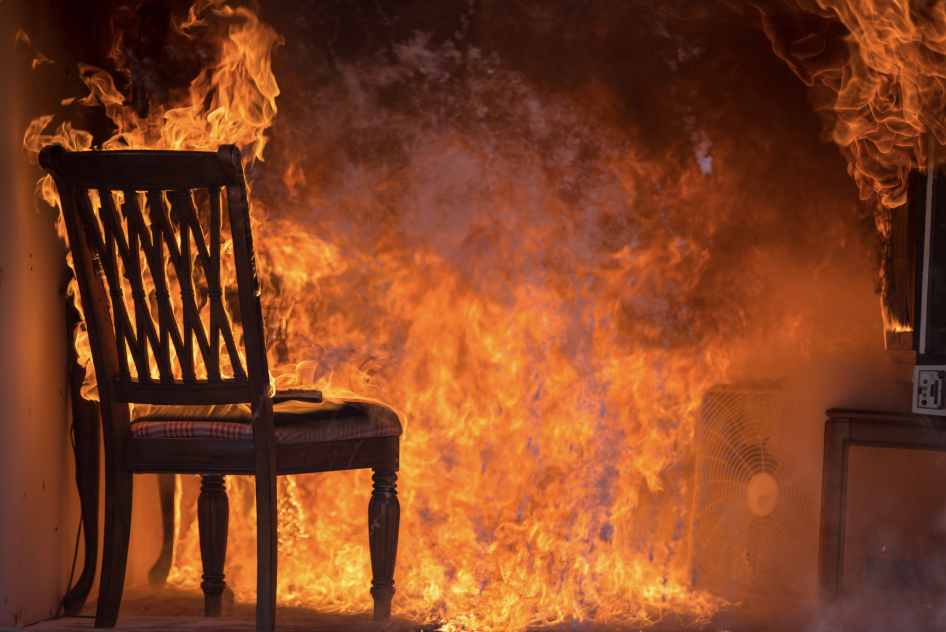
Learn about California's PC 451 arson laws, penalties, and the bail bond process to navigate serious charges effectively. Get the help you need today.
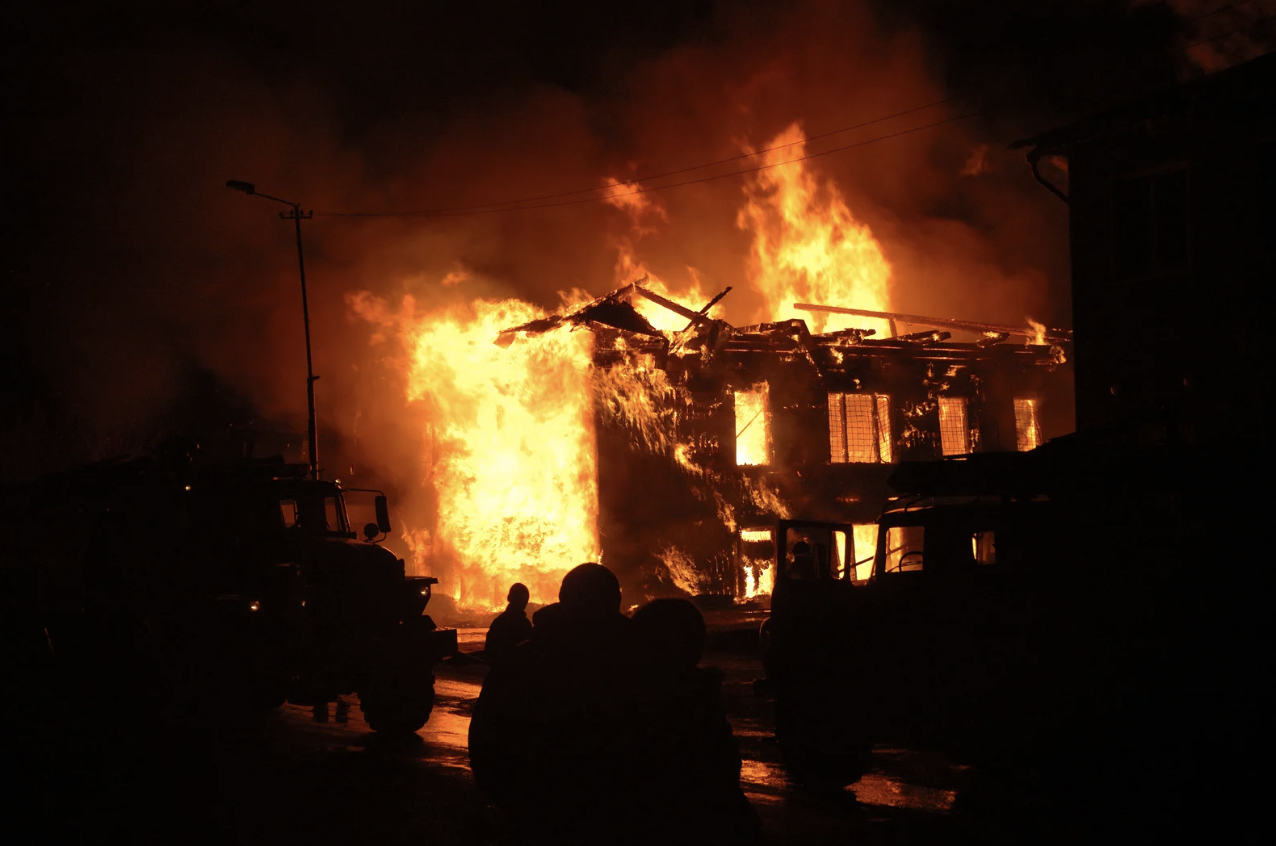
Understanding PC 451(c) arson charges in California, bail options, and how Bail House Bail Bonds can help after an arrest in Roseville.