2 min read

Where Does Your Money Go When You Post Bail?

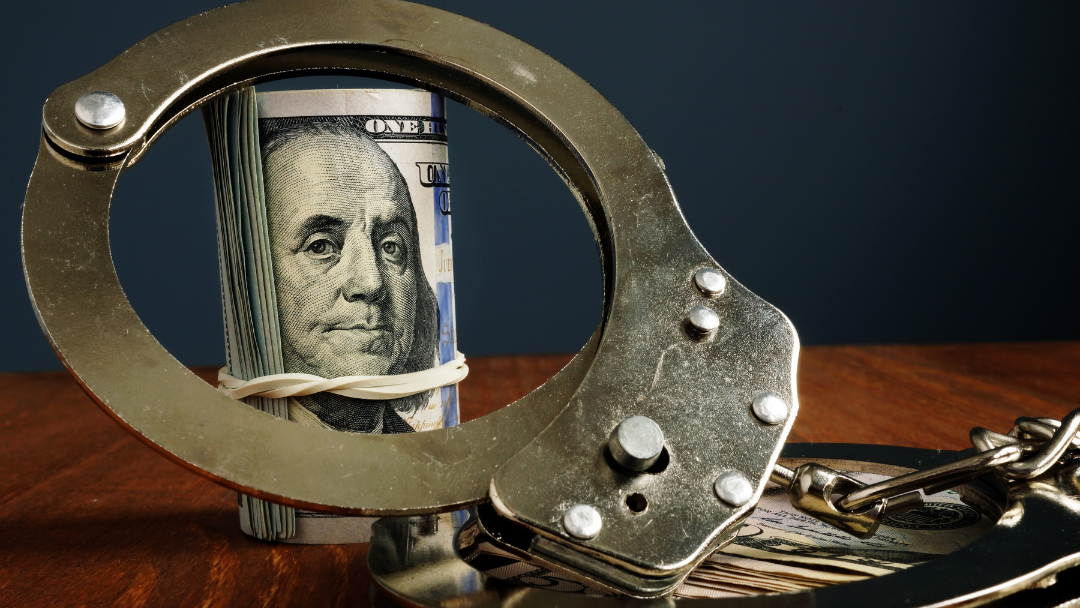
At Placer Bail House, we want to help you take a closer, in-depth look at where your money goes when you post bail, so that you feel knowledgeable and prepared to successfully navigate the system.

To start, it’s important to clarify what bail is and how it differs from a bail bond, sometimes referred to as a “bail bond loan.” Bail is the amount of money set by a court to ensure that a defendant appears for their scheduled hearings at the courthouse. It acts as a form of security to guarantee the defendant will return to participate in legal proceedings.

If bail is set, defendants have the option to pay the full amount themselves or seek assistance from a bail bondsman. A bail bondsman, such as Frank Calabretta’s Placer Bail House, provides what is called a surety bond to the court on behalf of the defendant. In exchange for posting bail, the defendant will pay the bondsman a non-refundable fee which is a percentage of the total bail amount (the standard is set at 10% in California).

So Where Does the Bail Money Go?

When you post bail, whether through a bail bondsman or directly to the court itself, your money serves a variety of  purposes in the legal system, including:

  1. Security Deposit: The primary function of bail is always to make sure that the defendant appears for their scheduled court hearings and doesn’t avoid their responsibilities. When a defendant is asked to post bail, the court is essentially offering them a deal. They will allow the defendant to be released from jail on the condition that they show up to their court hearings. Bail is basically a financial incentive to comply with the court’s orders. If the defendant attends all court dates as required, the bail money is returned at the conclusion of the case, regardless of the outcome (minus the fees listed below).
  2. Court Fees and Administrative Costs: A set portion of the bail money may be used to cover court fees and administrative costs associated with processing the case. These fees can include filing charges, administrative expenses, and other court-related costs.
  3. Victim Compensation: In cases involving victims of crime, a portion of the bail money may be allocated towards victim compensation funds. These funds are used to provide financial assistance and support to victims, including covering some medical expenses, counseling services, and other related costs.
  4. Bail Bondsman’s Fee: If you opt to use a bail bondsman’s services, the fee you pay them is typically non-refundable and serves as their compensation for assuming the risk of posting bail on your behalf. This fee, which is usually around 10%, is separate from the bail amount set by the court and is typically a percentage of the total bail.
  5. Forfeiture: If the defendant does not appear for their court dates, the court may forfeit the bail money and not return it. In such cases, the money becomes the property of the court, and the defendant may face additional legal consequences, such as a warrant for their arrest. Sometimes bail bond agencies provide a bounty hunter to bring the accused into court in order to have their bail money returned.

Placer County Bail – Call Frank Calabretta’s to Have a Partner in the Legal System

When you understand where your bail money goes when you post bail, it’s easier to wade through the legal process and make informed decisions about your case. At Frank Calabretta’s Placer Bail House, we are extremely dedicated to helping individuals navigate the bail process with ease and dignity. 

If you or a loved one need assistance with bail in Placer County, don’t hesitate to contact us at (530) 823–8340. Our promise? We will be here to help you every step of the way.

Why Get a Bail Bond When You Can Self-Bail?

1 min read

Why Get a Bail Bond When You Can Self-Bail?

Getting arrested can be a scary and stressful experience. One of the immediate concerns individuals face during this time is whether to pay bail...

Read More
What to Expect When Contacting a Bail Bondsman

1 min read

What to Expect When Contacting a Bail Bondsman

The process of securing bail can be bewildering to many people, especially if it is the first time you or a loved one has been arrested. Amidst the...

Read More
What to Do and What NOT to Do If Arrested

1 min read

What to Do and What NOT to Do If Arrested

Being arrested can be a frightening and confusing experience. Whether it’s for a minor offense or a serious allegation, understanding your rights and...

Read More